SUMMIT
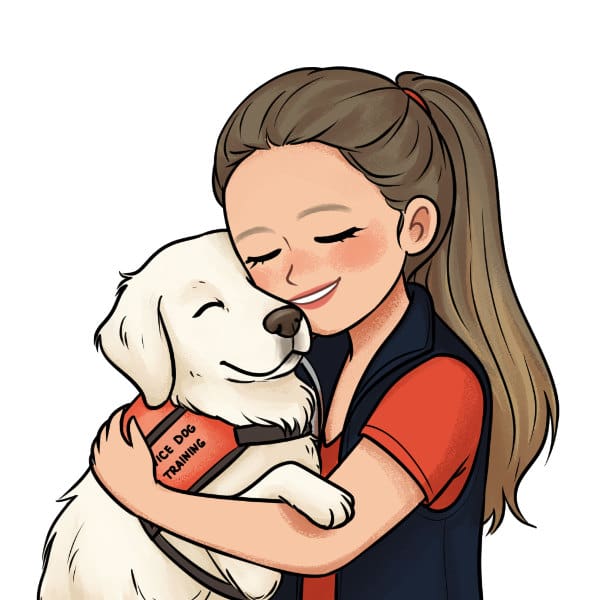
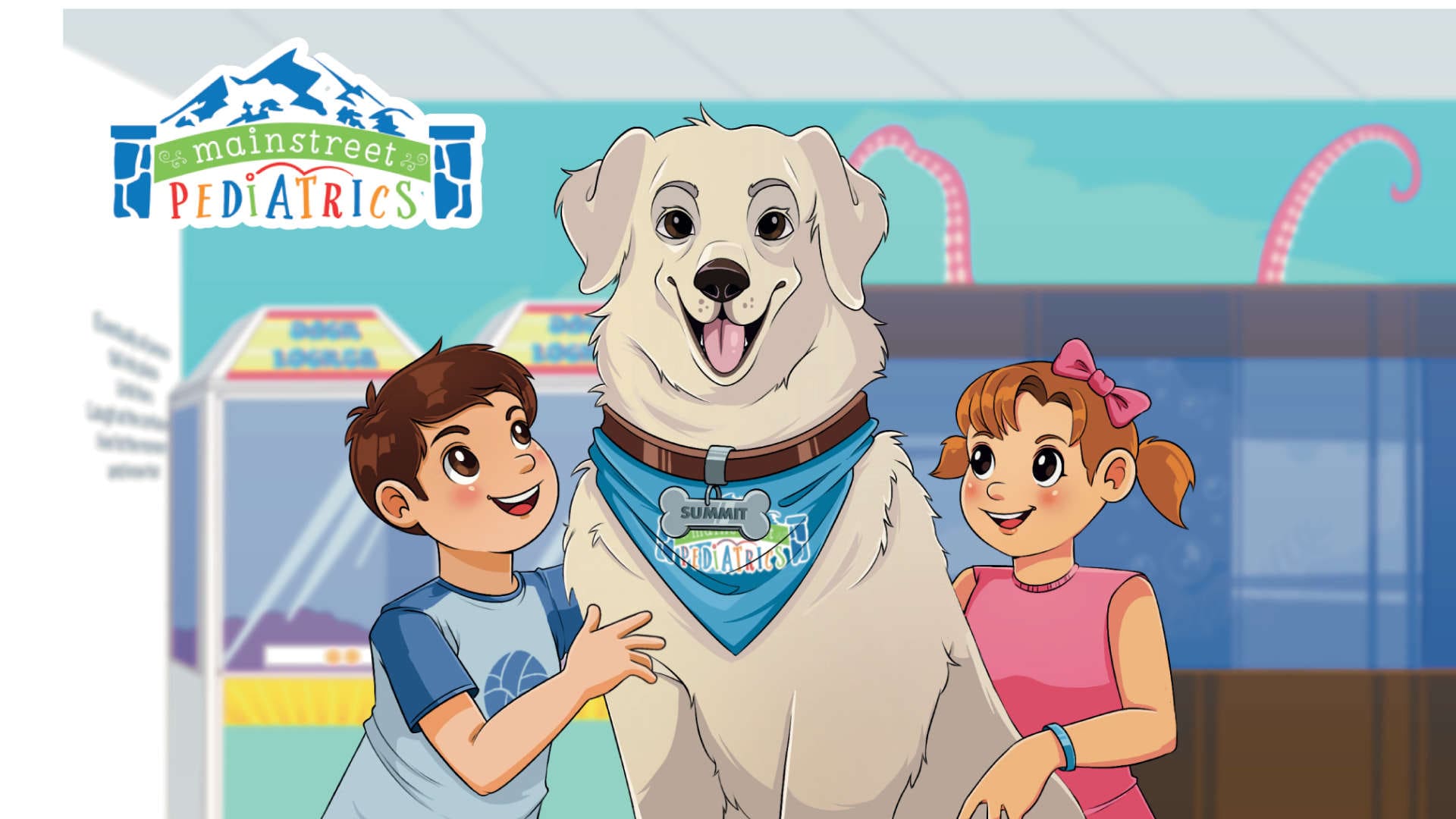
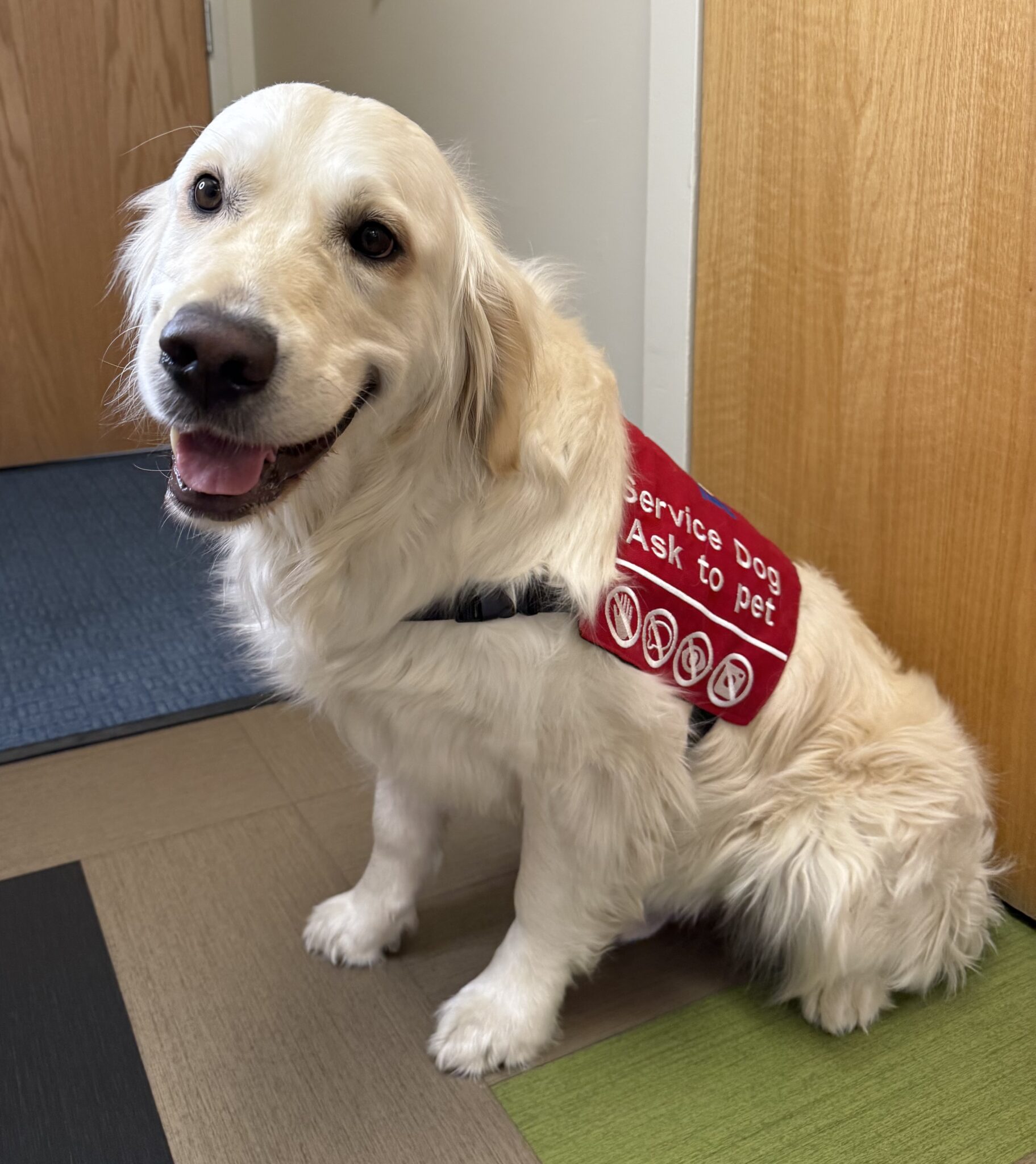
Summit is a certified service dog who earned his Dog-torate from Service training at Mountain High Service Dogs. He supports patients of all ages by helping them be brave and stay calm. He always brings a smile to our patients and staff!
How service dogs help kids feel better at a doctor’s office
For children, a visit to the doctor can be scary, overstimulating, or painful; a service dog helps lower that stress and creates a calmer, more predictable environment. Trained to remain gentle and focused, the dog can offer deep pressure or a steady presence that reduces anxiety, distracts from painful procedures, and encourages cooperation with exams or treatments. Service dogs also provide young patients with a sense of safety and routine—simple actions like resting against a child’s legs, offering paw contact, or performing a learned cue can slow breathing, lower heart rate, and shift attention away from fear. In pediatric settings this improved comfort makes it easier for clinicians to complete necessary care, reduces the likelihood of traumatic experiences, and helps children leave the visit feeling more confident and secure.